Introduction
Saudi Arabia is investing in digital infrastructure to support a connected economy, smart cities, modern businesses and improved access to digital services. As internet usage and demand for reliable connectivity continue to grow, fibre optic networks have become an essential component of the Kingdom’s telecommunications infrastructure.
Fibre to the Home (FTTH) technology enables fibre optic connectivity to reach residential and commercial premises, supporting high-speed broadband services and reliable digital communication.
Developing a successful FTTH network requires more than installing fibre cables. It involves detailed planning, underground duct infrastructure, optical distribution components, civil construction, cable installation, splicing, testing and coordinated project execution.
For construction and telecommunications contractors, understanding these activities is essential to delivering dependable network infrastructure.
What Is FTTH Infrastructure?
FTTH stands for Fibre to the Home. It is a telecommunications architecture in which optical fibre extends to an individual home or building, providing the physical connection required for high-speed broadband services.
An FTTH network typically includes:
- Fibre optic cables and feeder routes.
- Underground ducts and cable pathways.
- Optical Distribution Network (ODN) components.
- Optical distribution boxes and splitters.
- Fibre Access Terminal (FAT) enclosures.
- Handholes and access chambers.
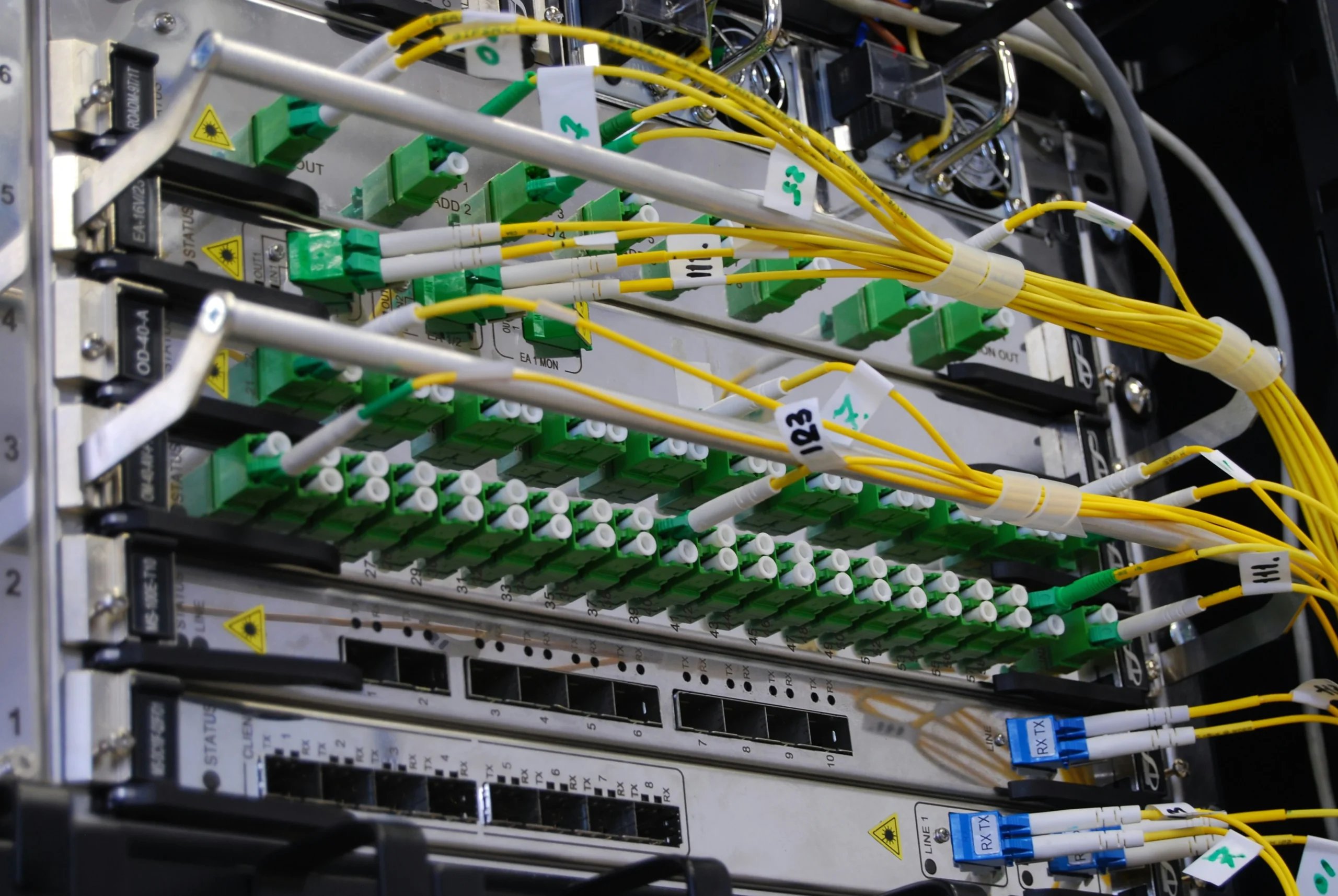
- Fibre splicing and jointing.
- Testing, documentation and network handover.
Each component must be installed according to the approved network design and relevant project specifications. Correct installation helps reduce faults, simplify maintenance and support the long-term performance of the network.
Why FTTH Matters for Saudi Arabia
Digital connectivity supports multiple sectors, including residential development, healthcare, education, commerce, logistics and industrial operations.
Saudi Arabia’s Communications, Space and Technology Commission (CST) identifies the expansion of full-fibre connectivity and the development of a connected digital economy as important priorities. These ambitions align with the Kingdom’s broader digital transformation objectives under Saudi Vision 2030. CST+1
Reliable fibre infrastructure can help support:
Smart cities: Connected buildings and digital services depend on robust telecommunications infrastructure.
Residential developments: FTTH networks provide the physical connectivity required for modern broadband services.
Commercial facilities: Businesses rely on dependable communications for cloud platforms, digital operations and customer services.
Industrial development: Connected facilities can use digital monitoring, automation and data-driven operational systems.
Key Stages of an FTTH Project
1. Planning and route preparation
The project begins with a review of approved drawings, network layouts, site conditions, existing utilities and required connection points. The construction team coordinates access, permits and work schedules before excavation begins.
2. Civil works and duct installation
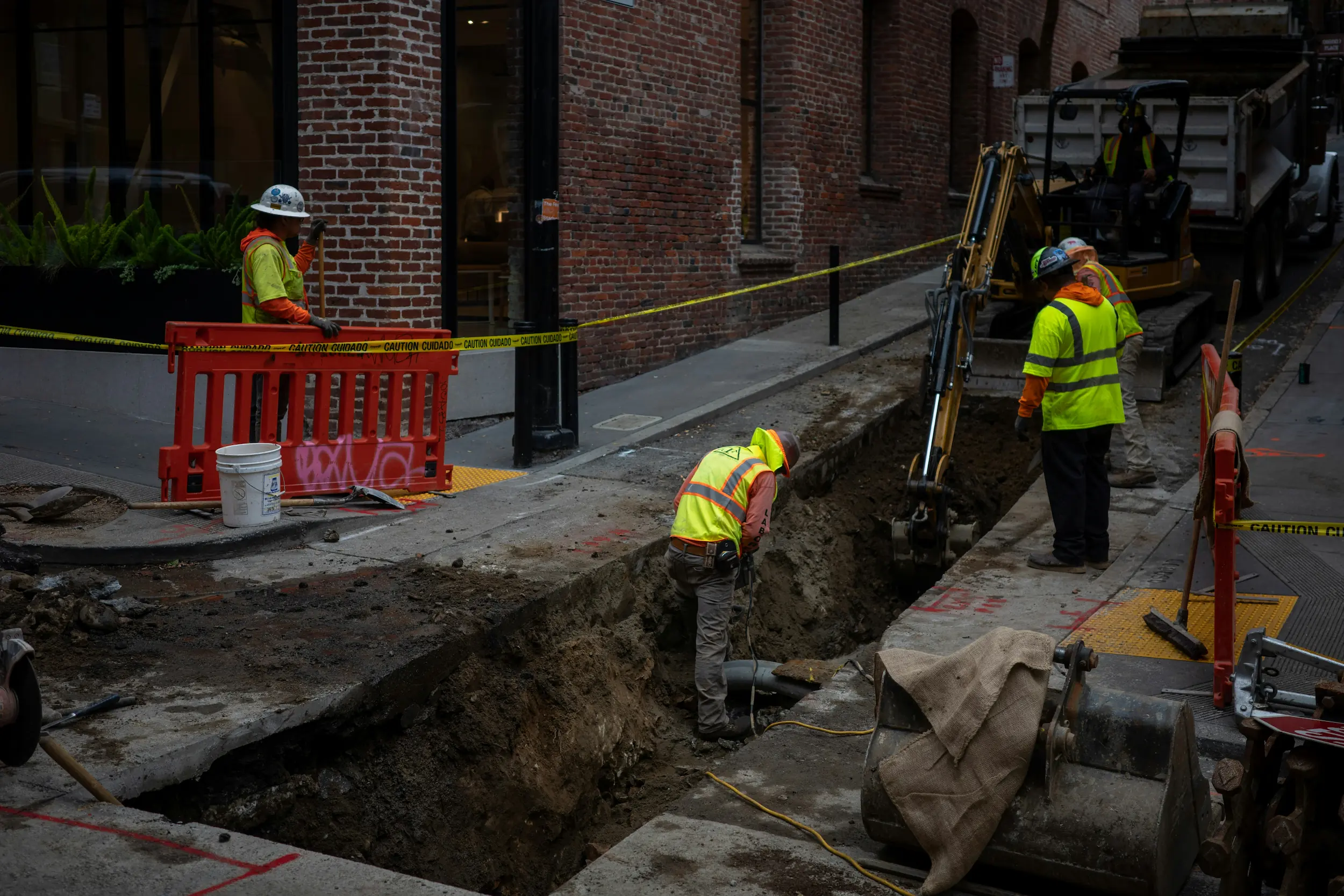
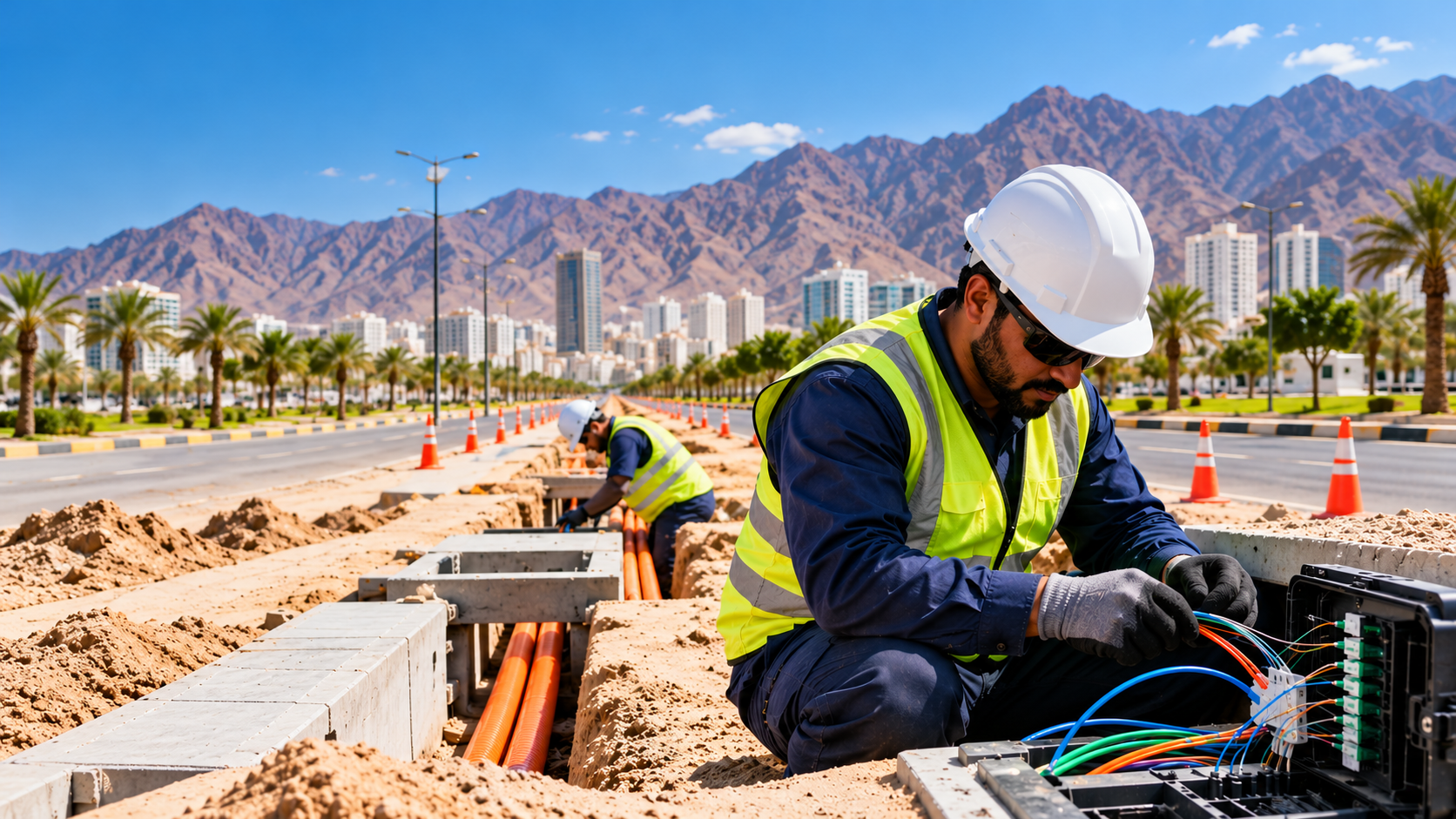
Depending on the approved design, civil works may include trench excavation, duct installation, duct jointing, handhole construction and reinstatement of affected surfaces.
Proper alignment, protection, spacing and access provisions are important for future cable installation and maintenance.
3. Fibre optic cable installation
Fibre cables are installed using approved methods appropriate to the route and cable specification. Installation teams must observe the manufacturer’s requirements for pulling tension, bend radius and cable handling.
4. ODN installation and splicing
Optical distribution boxes, splitters, FAT closures and associated components are installed according to the network design. Fibre splicing and joint protection must be carried out by trained personnel using suitable equipment.
5. Testing and handover
Testing confirms that the installed network meets the acceptance criteria defined by the client and project specifications. Test results, route records, equipment details and as-built documentation should be compiled for handover.
The Importance of Standards and Coordination
In Saudi Arabia, CST publishes guidance covering telecommunications infrastructure in real estate developments, including duct installation, handholes, trenching, cable protection, fibre installation, testing and as-built documentation. Contractors should consult the applicable current requirements alongside client specifications and approved drawings. CST+1
Effective coordination between civil works teams, fibre technicians, project managers and the main contractor helps minimise rework and delays.
How ZHARACON Supports FTTH Infrastructure Projects
ZHARACON Contracting & Construction undertakes telecommunications infrastructure works involving fibre optic installation, ODN components, handholes, splicing and related civil construction.
Our completed project portfolio includes the MUT-KNST-WAFA-01 FTTH infrastructure project in Al Wafa District, Khamis Mushait, Aseer Region, involving fibre optic and ODN infrastructure works.
Our approach focuses on planned execution, coordination with project stakeholders, compliance with approved specifications and systematic project handover.
Conclusion
FTTH infrastructure is an important part of Saudi Arabia’s evolving digital landscape. Successful delivery depends on sound engineering, suitable materials, skilled installation, effective civil works coordination and thorough testing.
By combining construction expertise with telecommunications infrastructure capabilities, contractors can help develop reliable networks that support the Kingdom’s continuing digital transformation.
CTA: Planning an FTTH or fibre optic infrastructure project in Saudi Arabia? Contact ZHARACON to discuss your project requirements.