
Introduction
Saudi Arabia’s construction industry supports the development of residential communities, commercial buildings, industrial facilities, public infrastructure and major urban developments.
As construction projects become more technically demanding, compliance with applicable building regulations, approved engineering drawings and project specifications is essential.
Construction standards provide a framework for planning, designing, executing and inspecting works. They help establish minimum technical requirements, support public safety and create consistency across different project stages.
For contractors, understanding these requirements is not simply a documentation exercise. It is an important part of managing risk, controlling costs and delivering dependable projects.
What Is the Saudi Building Code?
The Saudi Building Code (SBC) establishes technical and regulatory requirements for building and construction activities in the Kingdom. Its provisions address areas such as structural safety, fire protection, energy efficiency, building services and other aspects of construction, depending on the applicable code. Saudi Building Code Center+1
The relevant requirements depend on the project type, scope, permit conditions and applicable code edition.
Contractors should therefore identify the codes and technical standards applicable to each project instead of assuming that one set of requirements applies to every development.
Important Areas of Construction Compliance
1. Structural and civil works
Structural and civil construction requires careful coordination between engineering drawings, material specifications and site execution.
Typical considerations include:
- Foundations and ground conditions.
- Reinforced concrete works.
- Structural steel and connections.
- Formwork and temporary works.
- Material inspection and testing.
- Approved construction methods.
- Inspection records and technical approvals.
The Saudi Code for Construction, SBC 302, addresses requirements relating to concrete structures, temporary structures such as formwork and scaffolding, and inspection and testing arrangements. The relevant provisions should be checked against the applicable project requirements. Saudi Building Code Center+1
2. Fire and life safety
Fire protection and life safety must be considered throughout the design and construction process.
Depending on the project, relevant works may include fire alarm systems, firefighting systems, emergency exits, fire-rated assemblies and associated building services.
Contractors should coordinate these systems with the approved design and applicable Saudi Fire Protection Code requirements. Required inspections, approvals and commissioning activities should be completed before handover.
3. Electrical and mechanical systems
MEP installations support the safe and efficient operation of buildings. Electrical systems, plumbing, HVAC, firefighting systems, fire alarms and low-current systems must be coordinated with architectural and structural elements.
Early coordination can reduce clashes, unnecessary modifications and delays during installation.
4. Telecommunications infrastructure
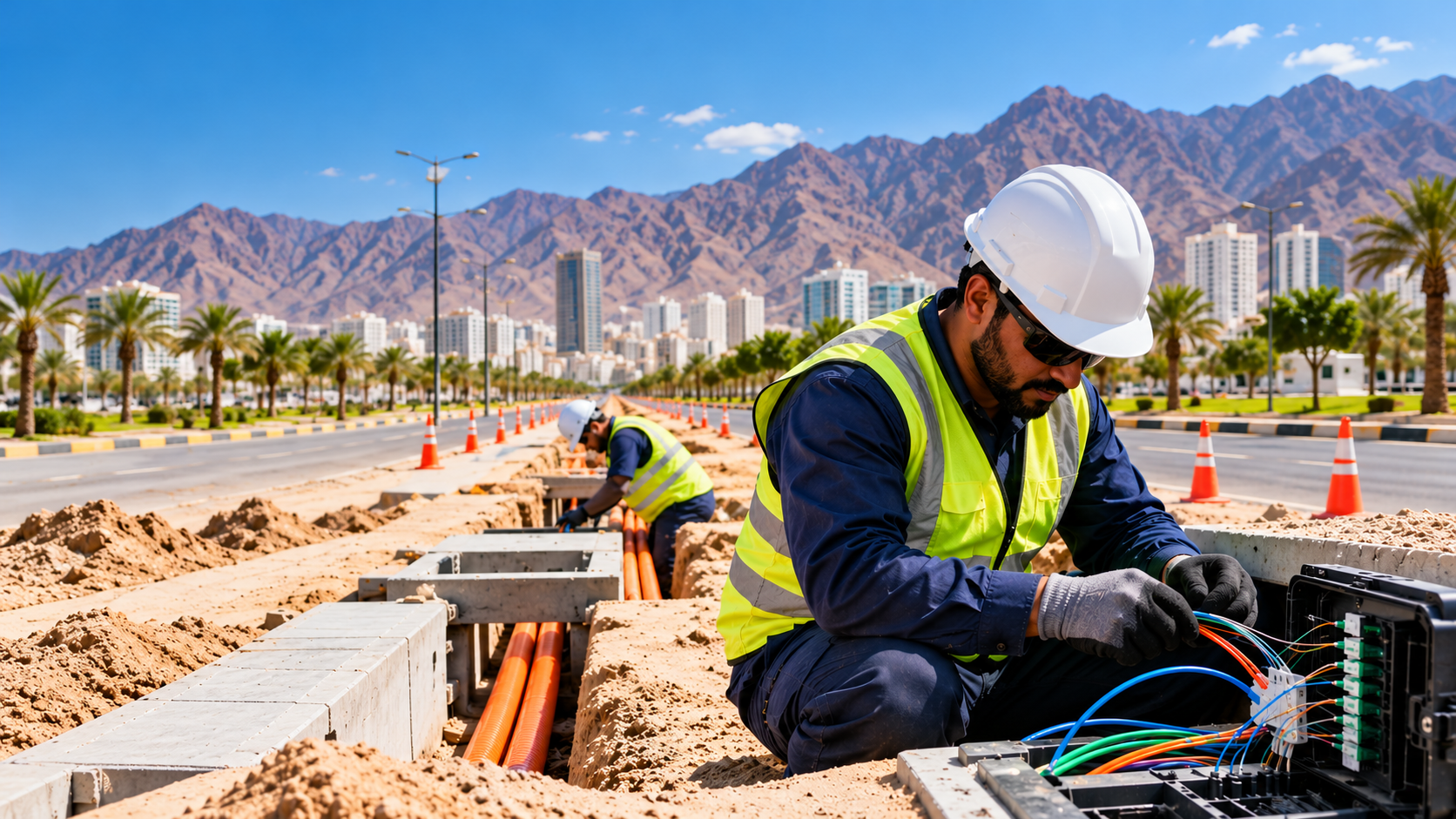
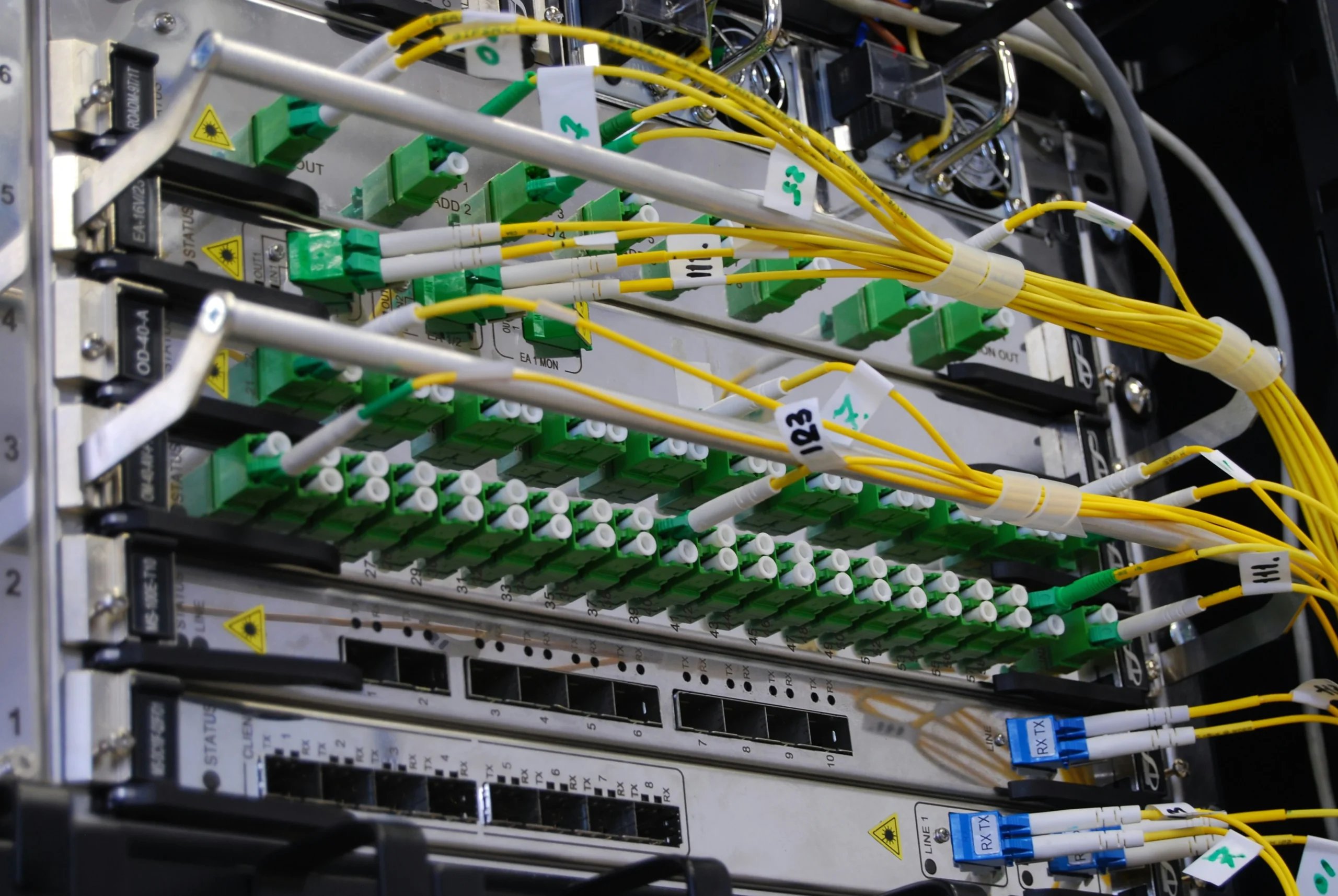
Telecommunications infrastructure has its own technical requirements. Fibre optic ducts, cable routes, access chambers, optical distribution components and network testing must follow the applicable CST requirements, approved drawings and client specifications.
This is particularly important when telecommunications works are integrated into residential developments, commercial buildings or larger infrastructure projects. CST+1
Why Compliance Should Begin Before Construction
Compliance is most effective when considered during planning rather than addressed only at final inspection.
Before work begins, the project team should identify applicable codes, approval requirements, inspection stages, testing criteria and documentation responsibilities.
A practical compliance process includes:
Review: Examine contract requirements, approved drawings and technical specifications.
Plan: Prepare method statements, inspection plans and work schedules.
Coordinate: Resolve design interfaces and confirm requirements with relevant stakeholders.
Inspect: Conduct inspections at defined stages before covering or progressing beyond critical works.
Document: Maintain material approvals, test results, inspection records and as-built drawings.
Handover: Confirm that required approvals and close-out documentation are complete.
The Role of Quality Assurance and Safety
Technical compliance and safe construction practices work together. An installation may appear complete but still require inspection, testing or documentation before acceptance.
Contractors should establish clear responsibilities for site supervision, inspections, non-conformance reporting and corrective actions.
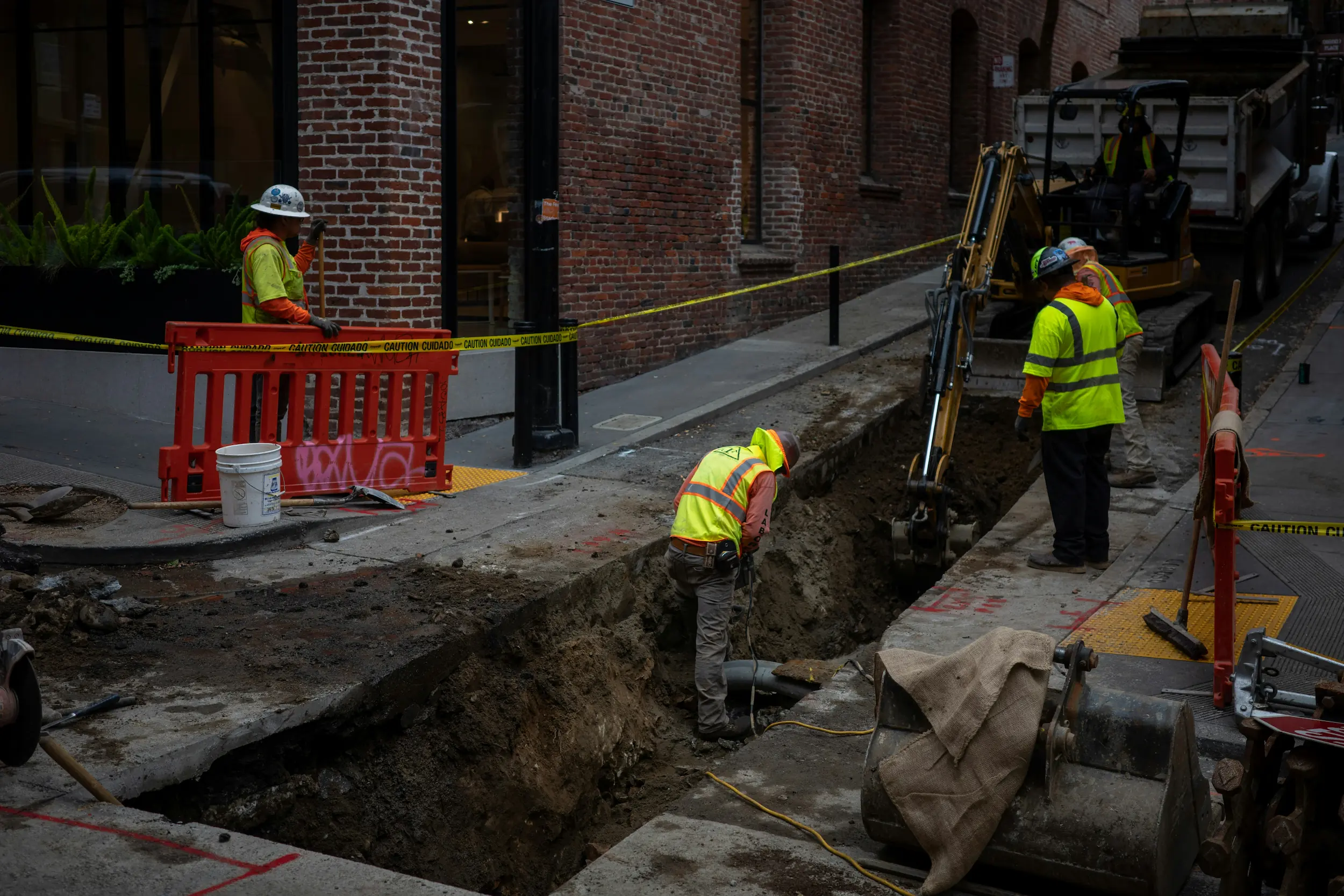
Safety planning should also address site access, excavation risks, lifting activities, electrical hazards, equipment operation and protection of workers and the public.
How ZHARACON Approaches Project Compliance
ZHARACON Contracting & Construction places emphasis on engineering coordination, planned execution, site supervision and adherence to approved project requirements.
Across construction and telecommunications infrastructure works, a structured approach helps teams coordinate activities, monitor progress, resolve issues and prepare for project handover.
The precise requirements for each project should be confirmed with the client, relevant authorities and appointed design professionals.
Conclusion
Saudi construction standards provide an essential framework for safe and reliable development. Contractors who integrate compliance into planning, procurement, construction, testing and handover are better positioned to manage risk and deliver successful projects.
Understanding the relevant Saudi Building Code provisions, CST requirements and client specifications is an important step towards responsible construction.
CTA: Looking for a construction or infrastructure contractor in Saudi Arabia? Contact ZHARACON to discuss your project requirements.